 A Prof. Raghu Raghavan Initiative
Everyone Has
Mental Health
“Not Everyone Has a Mental Illness”
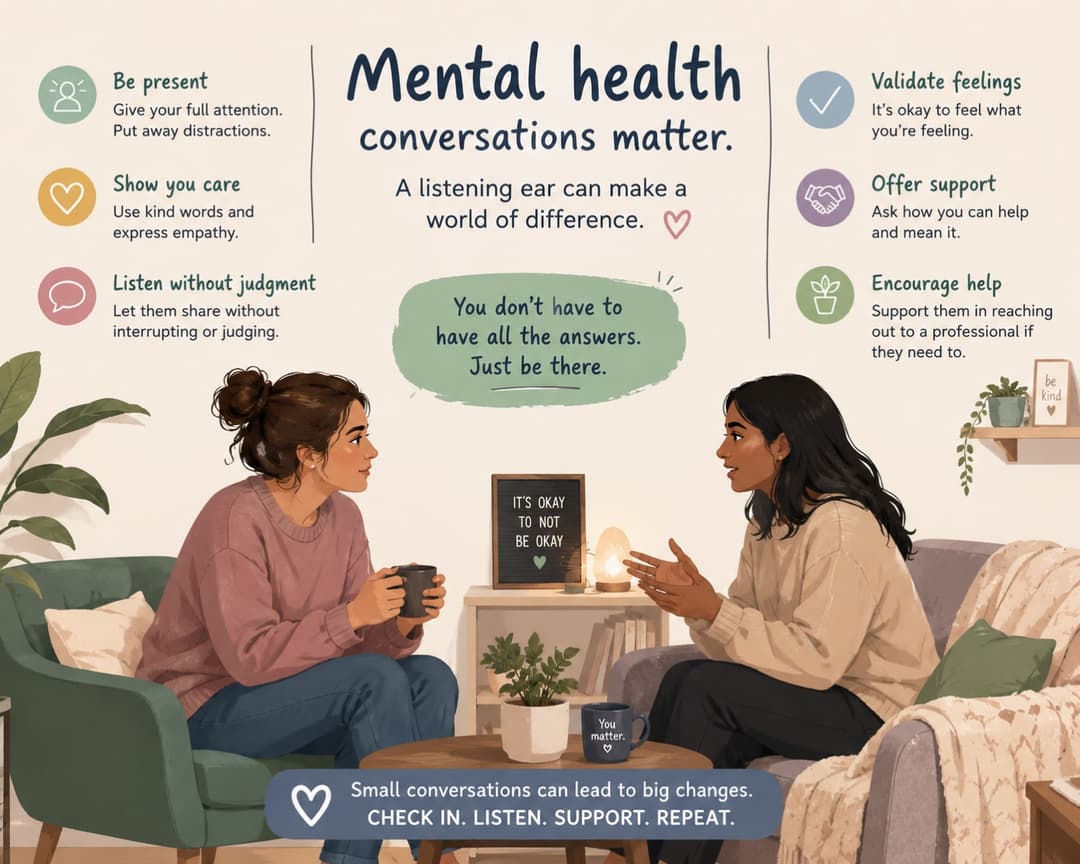
The Prof. Raghu Raghavan initiative is an accessible, informative online learning platform designed to build Mental Health Literacy across India. Our platform tackles a critical issue — stigma creates a major barrier for those experiencing mental illness from seeking help. Our initiative stems from a fundamental truth: while not every individual will experience a diagnosable mental ill-health condition, everyone experiences anxiety, stress, distress and sadness at some point in their lives.
Need support right now? Call Tele-MANAS 14416 — India's free, 24×7 national mental health helpline, available in 20 languages.
Why Mental Health Literacy?
A low level of mental health literacy prevents us from recognising signs of distress in ourselves or others — stopping us from seeking help. Raghumentalhealth provides three core foundations:
Verifiable Professional Certificate
A formal, verifiable certificate in Mental Health Literacy through 12 short, practical learning modules of about 10 minutes each.
Strength-Based Awareness
Establish baseline awareness, shifting the focus away from the disease model to a strength-based approach of emotional wellbeing and resilience.
Comprehensive Knowledge Base
Up-to-date knowledge of distress and ill-health, enabling learners to discover early indicators of anxiety and depression before they escalate.
Recognise Distress Early
Learn to identify different types of mental distress — from everyday anxiety to more serious conditions — in yourself and those around you.
Dismantle Stigma
Understand how public, self-directed, and structural stigma work — and learn the language and actions to break them down in your community.
Know When to Seek Help
Know when someone needs professional support, how to have that conversation compassionately, and where to direct them for the right care.
Built for Every Work & Life Environment
Mental health affects people in all types of lives and work environments. Raghumentalhealth is designed for active learning across multiple sectors.

Corporate Professionals
Training employees and managers to foster supportive, stigma-free workplaces and implement evidence-based wellbeing practices.
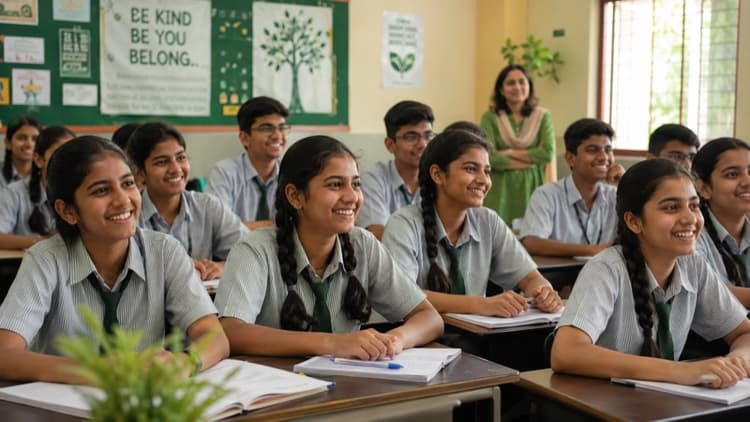
Schools & Colleges
Equipping students, teachers, and lecturers with peer-support tools, resilience techniques, and early identification skills.
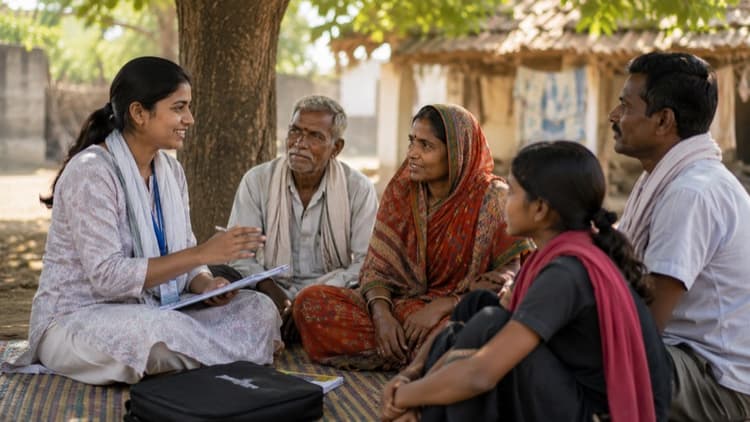
Community Health Workers
Foundational mental health literacy for ASHA workers, frontline staff, and NGOs operating across diverse Indian settings.
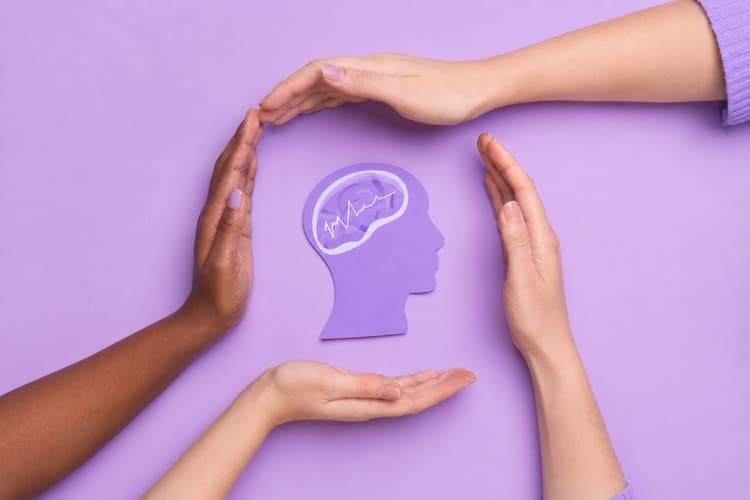
Individual Learners
Anyone who wants to understand their own mental health, build resilience, and better support the people they care about.
Learn at Your Own Pace
The programme is based on a micro-learning approach. Each of the 12 modules is laser-focused and takes only 10–15 minutes from start to finish. Totally self-paced and highly interactive.
Watch
Short video lessons and real-world examples rooted in everyday Indian life, in English and Hindi.
Reflect & Practise
Interactive checkpoints and knowledge quizzes that turn awareness into practical, usable skills.
Get Certified
Complete the assessments in all modules and earn a verifiable professional certificate in Mental Health Literacy.
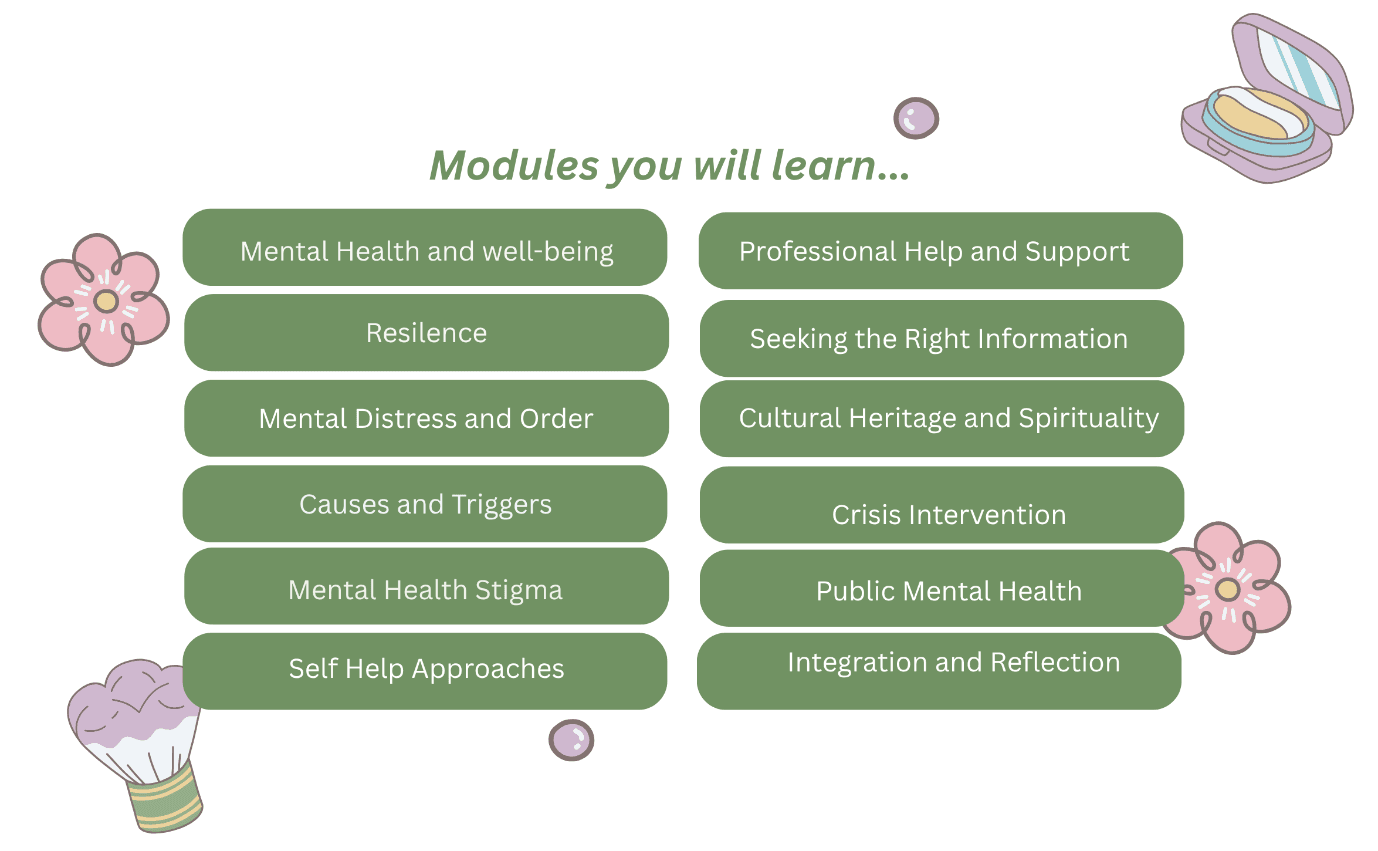
12 Learning Modules
Six thematic blocks of videos, illustrated lessons and quizzes, from the foundations of wellbeing to crisis intervention and public policy.
Mental Health and Wellbeing
What mental health really is, how it differs from mental illness, and the everyday foundations that build wellbeing, in an Indian context.
Resilience
What resilience really is, why it is a skill rather than a fixed trait, and practical ways to build it, for individuals and communities.
Mental Distress and Disorders
The difference between everyday stress, mental distress and a mental health disorder, the impact of mental ill-health, and how to recognise common conditions.
Causes and Triggers
Why mental health conditions develop: the biological, psychological and social causes, the triggers common in India, and the stress bucket model.
Mental Health Stigma
How stigma works in society, in our own minds and in institutions, why it keeps people from help, and practical ways each of us can dismantle it.
Self-Help Approaches
Practical, evidence-based ways to look after your mental health every day: sleep, food, movement, emotions, connection, creativity and routine.
Professional Help and Support
When to seek professional help, how the help-seeking pathway works in India, who does what in the mental health team, the main treatments, and your rights.
Seeking the Right Information
How to find reliable mental health information, judge online content and AI tools critically, avoid health anxiety traps, and move from information to action.
Cultural Heritage and Spirituality
How India's cultures, faiths, families and traditions shape the way people understand mental health and seek help, and how culture and clinical care can work together.
Crisis Intervention
How to recognise a mental health crisis and suicide warning signs, respond safely, get emergency help in India, and support recovery afterwards, including your legal rights.
Public Mental Health
How communities and countries can prevent mental ill-health and promote wellbeing, from social determinants and prevention to schools, workplaces, ASHA workers and national policy.
Integration and Reflection
Bring together everything you have learned, reflect on how it applies to your life, take the MeHeLP pledge, and complete the final assessment to earn your certificate.
Good Mental Health is About Living Well
Mental wellness is not about always feeling happy and confident. It is the deep ability to deal with the complexities of everyday life — to form meaningful relationships, work productively, and make a positive contribution to family and community. It is the resilience to bow, rather than snap, in the face of adversity.
Start Free Module Now